Natural and biological control
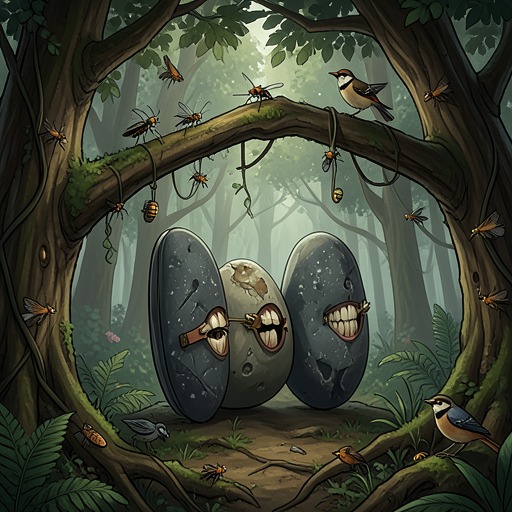
Silent SpringNatural and biological control is the use of predators, parasites, pathogens, and other ecological checks to limit pest populations. In Silent Spring, Rachel Carson presents it as a practical alternative to blanket chemical spraying and as a reminder that pest control depends on relationships within a living system. Spraying may kill a target insect quickly, but it can also destroy the birds and other natural enemies that restrain that insect; when the pest returns, the safeguards may be gone. The concept therefore joins an account of how nature regulates populations to an argument for managing pests without damaging the wider web of life.
How Natural Control Works
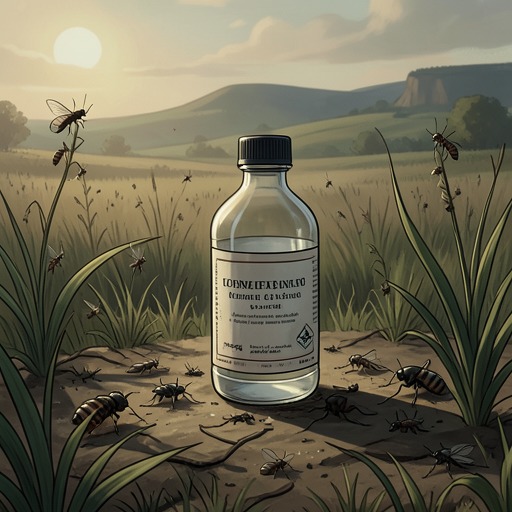
Predatory insects, birds, and small mammals are among the natural enemies that hold insect populations in check. The effect is not simply that one species is removed: chemical treatment can disrupt the relationships that would ordinarily constrain a pest. Carson describes the recurring pattern in which spraying kills insects and their principal enemies, followed by a resurgence of the pest. With its predators diminished, the returning population lacks the same biological resistance. The immediate reduction can thus undermine the longer-term control it was meant to achieve.
Owen J. Gromme, Curator of Birds at the Milwaukee Public Museum, made this point in a letter to the Milwaukee Journal. He identified predatory insects, birds, and some small mammals as the greatest enemies of insect life, and argued that DDT kills indiscriminately, including nature’s own safeguards. His formulation casts natural enemies not as incidental victims of spraying but as working parts of pest regulation: destroying them can turn a temporary convenience into renewed vulnerability.
Evidence from Gypsy Moth Control
Carson’s account of the gypsy moth offers a historical example of natural control operating alongside other measures. After arriving in the United States, the beetle increased rapidly during its first dozen years, in the absence of the restraints that checked it in its native land. By 1945, however, it had become only a minor pest across much of the territory it had spread through. Carson attributes much of this decline to the introduction of parasitic insects from the Far East and the establishment of disease organisms fatal to the pest.
The later history of gypsy moth management reinforces that point. Thirteen parasites and predators were imported from abroad and successfully established in New England. The United States Department of Agriculture credited those introductions with appreciably reducing the frequency and destructiveness of outbreaks. Natural enemies were not the only means used: quarantine measures and local spraying also contributed. Together, these measures achieved what the Department described in 1955 as outstanding restriction of the moth’s distribution and damage. The example does not imply that every pest can be managed in the same way; it shows that biological control can form a substantial part of a control program, rather than being displaced by chemical treatment.
Forest Pests and Alternatives to Spraying
The argument becomes especially direct in Carson’s discussion of forest insects. She rejects the notion that protecting forests and saving fish require accepting waterways as “rivers of death.” Instead, she urges wider use of known alternatives and the investment of resources and ingenuity in developing others. Natural parasitism, she notes, has in some recorded cases held the budworm under control more effectively than spraying. Such control, in her view, should be used to the fullest extent.
Carson also distinguishes among possible interventions rather than treating chemical spraying as the sole option. A less toxic spray might reduce the damage associated with conventional treatment; better still, microorganisms might be introduced to cause disease among budworms without affecting the whole web of forest life. The contrast is consequential: the goal is not merely to suppress an insect, but to do so without imposing harm across the surrounding ecological community. Natural and biological control thus informs both the choice of method and the standard by which that method should be judged.
A Different Standard for Pest Management
Across these examples, natural control challenges the assumption that an effective program is one that applies the most powerful available poison. A successful intervention may instead rely on organisms and processes already capable of limiting the pest, while preserving the predators and other relationships that keep populations in balance. The gypsy moth history demonstrates the contribution of introduced parasites and predators, while the budworm discussion points toward natural parasitism, less toxic treatments, and targeted microorganisms as alternatives for forest protection.
The idea also changes how the consequences of spraying are counted. A treatment cannot be assessed only by whether it initially kills its target: its effects on natural enemies, the possibility of pest resurgence, and damage to the wider web of life matter as well. Carson’s case for natural and biological control is therefore both ecological and practical. It asks pest management to work with the checks that make control durable, instead of destroying those checks in pursuit of a short-lived result.